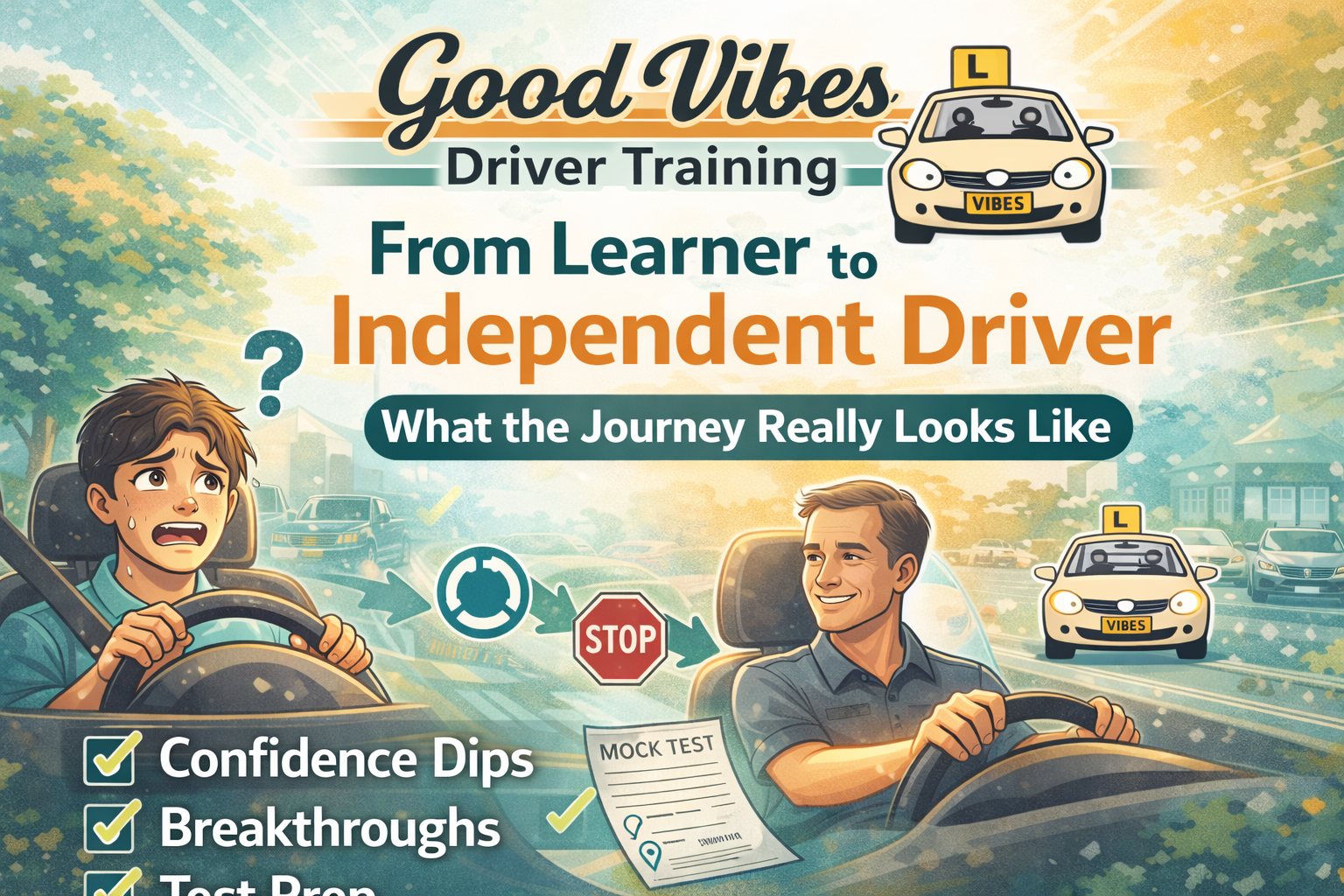
From Learner to Independent Driver: What the Journey Really Looks Like
If you’re a few lessons in and already wondering “How does anyone do this?”, you’re not alone.
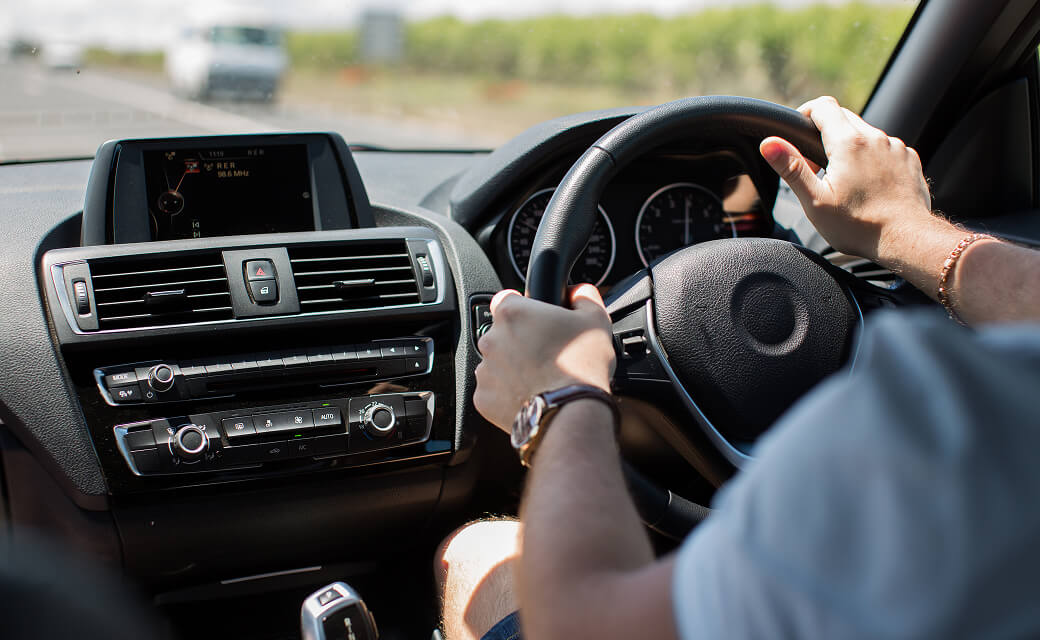
Many learner drivers reach a point early on where everything feels hard at once. The steering feels awkward, mirrors demand constant attention, speed control feels unnatural, and the road seems full of decisions you’re expected to make instantly. From the passenger seat, driving looks simple. From the driver’s seat, it can feel overwhelming.
Here’s the reassurance most learners need to hear sooner: this feeling is normal. It’s expected. And it’s part of every learner’s story — even the ones who now look confident and relaxed behind the wheel.
This article walks you through what the learner driver journey actually looks like, from the first uncertain lessons to driving independently. The highs, the stalls, the breakthroughs — and what’s waiting on the other side.
The Beginning — Everything Feels Like Too Much
The first stage of learning to drive is cognitively demanding in a way most people don’t expect.
New learners are trying to manage:
All at the same time.
Most learners feel clumsy, slow, or “behind” in these early lessons. Many compare themselves to friends or siblings and assume something is wrong with them. In reality, this phase is universal.
The brain is forming entirely new neural pathways. Early lessons aren’t about perfection — they’re about orientation. Understanding where the car sits on the road, how it responds, and how it feels to be in control.
Brian’s approach at Good Vibes Driver Training reflects this reality. Early lessons are structured, calm, and low pressure. The focus is on vehicle control and awareness before adding complexity like busy traffic or high-speed roads. Learners are never rushed ahead before they’re ready.
The Confidence Dip — When Progress Feels Like Regression
One of the least talked-about phases of learning to drive is the confidence dip.
This often happens after initial improvement, when lessons move into:
Learners who were feeling capable suddenly feel worse. Mistakes increase. Confidence drops. Some describe it as feeling like they’re going backwards.
This isn’t regression. It’s growth.
At this stage, learners are becoming more aware of what they don’t yet know. Their perception has expanded, even if their confidence hasn’t caught up yet. That awareness is a sign the brain is integrating more complex information.
What helps during this phase:
Honest conversations with the instructor
Breaking lessons into smaller, achievable goals
Acknowledging progress instead of chasing perfection
Celebrating small wins
Nearly every learner hits this wall at least once. Those who push through it often become the most thoughtful, cautious, and capable drivers.
The Breakthrough Moments
Then, usually without warning, things begin to click.
A manoeuvre that felt impossible suddenly works. A roundabout flows smoothly. Merging into faster traffic feels controlled rather than chaotic. These breakthrough moments tend to arrive in clusters once foundational skills settle into place.
This is where driving begins to feel less like constant thinking and more like doing. Skills become automatic. The learner’s mental load reduces, freeing up attention for hazard awareness and decision-making.
Emily, one of Brian’s learners, described reaching a point where she felt genuinely prepared rather than just hoping to pass. That confidence doesn’t come from luck — it comes from consistent, calm practice and a learning environment where mistakes are treated as part of progress.
What NSW Requires of Learner Drivers
In New South Wales, learner drivers progress under the Graduated Licensing Scheme.
According to Transport for NSW and Service NSW:
Learners must complete the NSW learner logbook, currently requiring 120 supervised driving hours, including night driving
Learners must pass the Driving Test to progress from Ls to P1
Learner drivers are subject to strict conditions and penalties for offences
Requirements and conditions can change, so learners and parents should always confirm current information through official NSW Government websites before relying on it.
The Week Before the Test — Managing Final-Stage Nerves
Pre-test nerves are almost universal. Feeling anxious before the test doesn’t mean a learner isn’t ready.
Brian often explains the difference between nerves and unreadiness. Nerves are emotional. Unreadiness shows up as inconsistent skills, unsafe habits, or gaps in understanding.
Good Vibes’ test preparation focuses on:
Mock tests conducted calmly, without pressure
Clear debriefs that explain what went well and what needs refining
Familiarity with test environments and conditions
Learners are reminded that the test isn’t a new challenge — it’s a snapshot of skills they’ve already built over time.
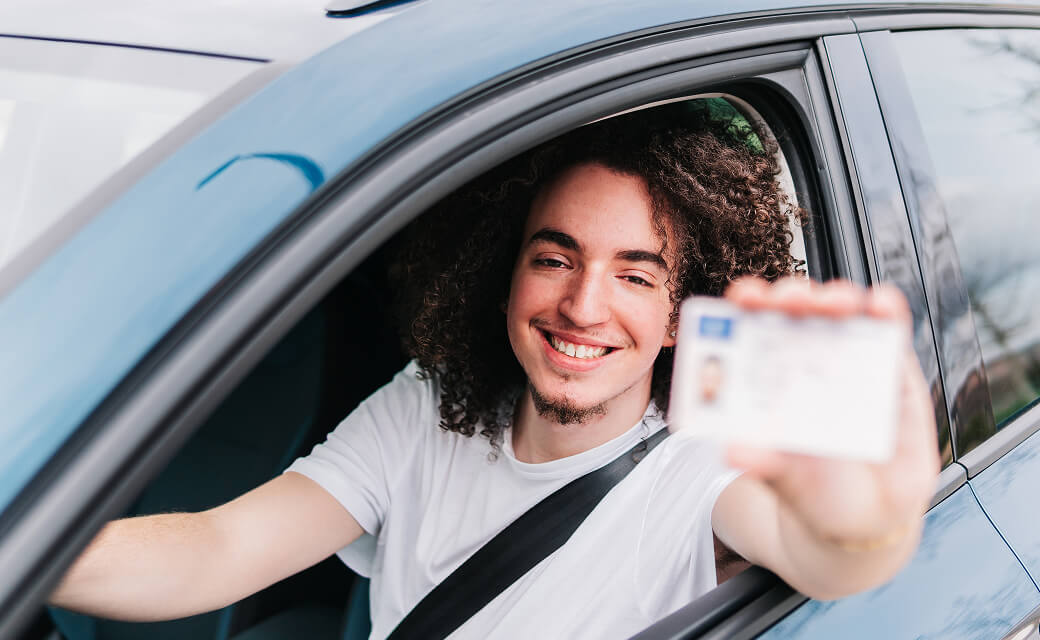
Passing the Test — and What Comes Next
Passing the driving test is a milestone, not an endpoint.
Many new drivers experience a fresh wave of nerves when driving solo for the first time. This is normal. The safety net of an instructor is gone, and responsibility feels heavier.
Helpful strategies for the transition include:
Starting with familiar routes
Avoiding unnecessary pressure to tackle difficult situations immediately
Driving at quieter times initially
The calm habits built during lessons matter most here. Drivers trained to anticipate hazards, maintain safe space, and stay composed under pressure are better equipped for real-world driving — not just test conditions.
Brian’s paramedic background informs this long-term focus. He teaches with the understanding that real driving happens at night, in the rain, when tired, or under stress. Calm decision-making protects drivers in those moments.
For Learners Mid-Journey and Doubting Themselves
If you’re reading this feeling frustrated, stuck, or tempted to quit, this message is for you.
Progress in driving is not linear. It loops, stalls, and then surges. Feeling challenged doesn’t mean you’re failing — it often means you’re learning deeply.
Some of the most capable drivers Brian has taught struggled early. Their caution turned into awareness. Their anxiety became thoughtful decision-making.
Trust the process. Trust a good instructor. And trust that it does click — even if it doesn’t feel like it yet.
Common Pitfalls — and Calm Corrections
Learners often stumble on:
Forgetting to perform head checks before changing lanes
Rolling past give way lines without a full stop
Mixing up mirror sequences during parking
Losing composure after a small mistake
At Good Vibes, these are corrected calmly and constructively. A missed head check becomes a reminder. A mistake becomes feedback. The focus stays on the next safe decision, not the last error.
Expert Tips for Building Confidence
Based on real-world safety and emergency driving experience:
Build familiarity with the car before tackling complex traffic
Use a consistent mirror–indicator–head check routine every time
Practise in varied conditions to build genuine confidence
Speak up if something doesn’t feel right — good instructors adapt, not push
Demerit Points and Penalties in NSW
Learner drivers must not incur offences that lead to licence suspension under the Graduated Licensing Scheme. Penalties vary by offence and are updated periodically.
Always verify current rules and conditions through official NSW Government sources.
Final Thoughts
Learning to drive isn’t a race to a licence. It’s the formation of habits that will protect you for decades.
Brian’s role at Good Vibes Driver Training isn’t just to help learners pass the test — it’s to make sure they’re genuinely ready for what comes after.
Whether you’re just starting out or mid-journey and needing a confidence reset, Good Vibes Driver Training is here for exactly that.
Ready to learn to drive in a calm, supportive environment? Book your automatic driving lesson with Good Vibes Driver Training — serving learners across Lake Macquarie and Newcastle with no pressure, no judgement, and a genuine focus on keeping you safe for life.
https://goodvibesdrivertraining.com.au/book-now/
Government reference links:
https://www.transport.nsw.gov.au
https://roadsafety.transport.nsw.gov.au
https://www.service.nsw.gov.au
https://www.police.nsw.gov.au/road_safety
This article is for general information only. Always refer to official Transport for NSW and NSW Government resources for the most current road rules, licensing requirements, and penalties.